
2026 Steel Buying Guide for International Projects
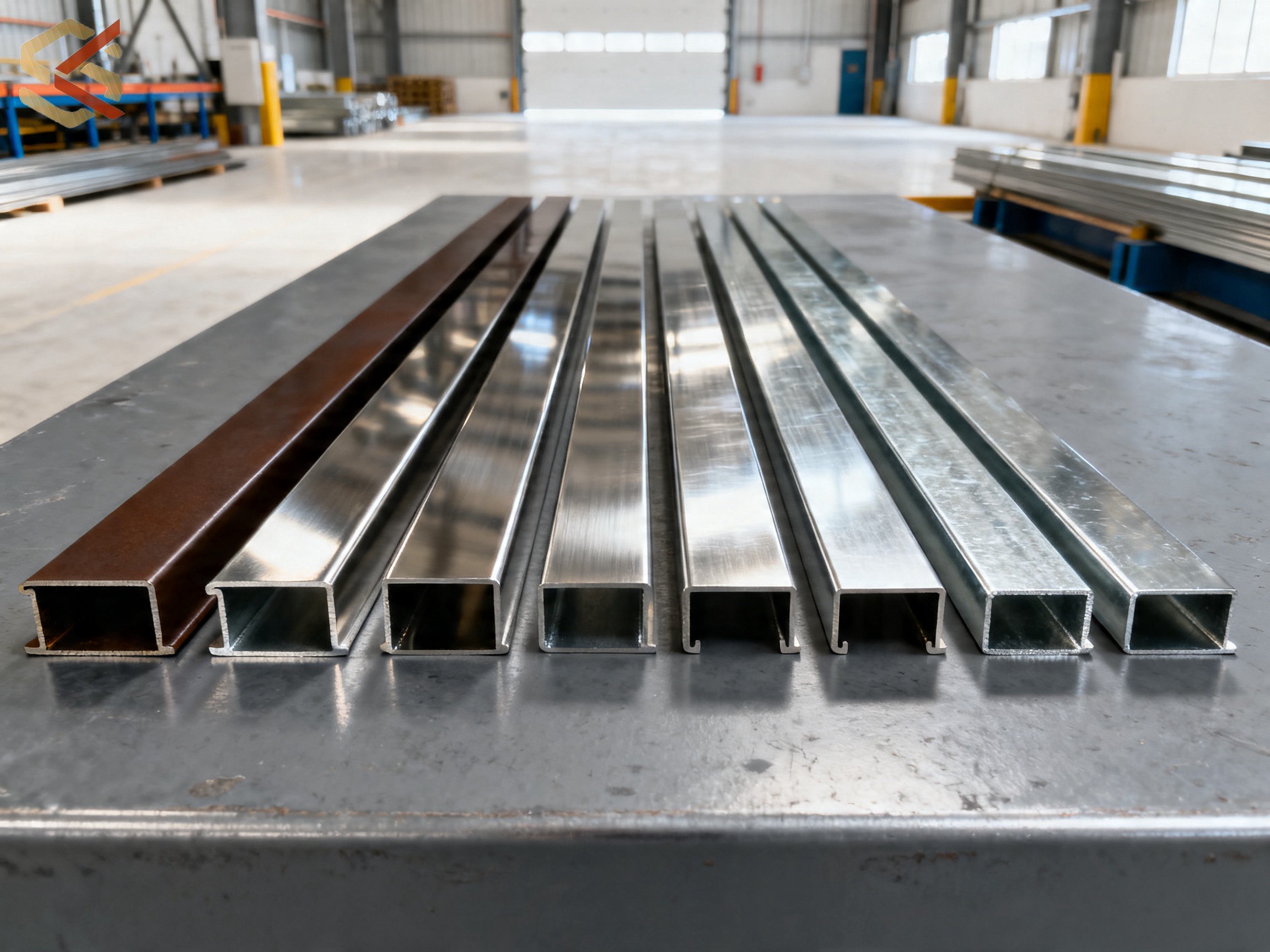
Planning cross-border procurement in 2026 requires more than price comparison—it demands certified quality, supply reliability, and project-ready service. Tianjin Kaishuo Weiye Steel Co., Ltd. stands as a premier manufacturer and supplier of a diverse range of steel products, backed by over 20 years of professional expertise. This guide helps buyers, engineers, and project leaders evaluate steel options, standards, risks, and sourcing strategies for international projects with greater confidence.
For international steel buying, the real challenge is balancing technical compliance, lead time, and landed cost. A low unit price can quickly lose value if the material grade is wrong, mill documents are incomplete, or shipment delays affect a project schedule by 2 to 6 weeks. Buyers in construction, machinery, infrastructure, and distribution need a sourcing framework that reduces risk before contracts are signed.
How to Match Steel Type to Project Requirements
Different international projects require different steel categories. Carbon steel is widely used for structural parts, pipes, and general fabrication where strength and cost control matter most. Stainless steel is preferred in food processing, water systems, and corrosive environments. Galvanized steel and pre-painted steel are common in roofing, cladding, ducts, and appliance panels, while aluminum is often selected when low weight and corrosion resistance are both priorities.
A practical evaluation should begin with 4 questions: exposure environment, mechanical demand, fabrication method, and service life target. For example, a coastal project may need galvanized or stainless material because salt exposure can shorten the lifespan of untreated carbon steel. For heavy-load structures, buyers should focus on yield strength, thickness tolerance, and weldability rather than appearance alone.
Typical Selection Factors
- Operating environment: indoor, outdoor, humid, chemical, or marine exposure
- Processing needs: welding, bending, cutting, punching, or surface coating
- Specification range: thickness, width, length, and coating mass
- Compliance target: ASTM, JIS, DIN, or GOST according to project documents
The table below provides a quick comparison for common international purchasing decisions.
This comparison shows why steel buying should start from application, not only quotation. Matching the material to the environment and processing route can reduce rework, coating failure, or installation issues during the first 12 months of service.
Standards, Certification, and Supplier Verification
For overseas projects, documentation is often as important as the steel itself. International buyers should verify whether the supplier can provide mill test certificates, inspection records, and production data that align with ASTM, JIS, DIN, or GOST requirements. Tianjin Kaishuo Weiye Steel Co., Ltd. holds ISO9001 quality management certification and CE certification, which supports structured quality control and export-oriented compliance management.
A strong verification process usually includes 5 checkpoints: company qualification, product standard, inspection method, traceability, and shipment records. Technical teams should confirm thickness tolerance, surface condition, chemical composition, and mechanical properties. Procurement teams should also review packaging standards, document accuracy, and response time for non-conformance claims within 24 to 72 hours.
Supplier Due Diligence Checklist
Before placing a bulk order, compare not only product samples but also the supplier’s process discipline and export capability. The following table highlights practical review items.
A supplier with more than 20 years of experience, exports to over 30 countries, and annual export volume above 50,000 tons can often support more stable planning. For distributors and project contractors, this matters when repeated orders, mixed specifications, or urgent replenishment are involved.
Cost Control, Lead Time, and Risk Management in 2026
In 2026, steel procurement decisions will continue to be influenced by freight fluctuation, currency pressure, and regional inventory gaps. That means landed cost should include at least 6 elements: base material price, processing cost, coating or surface treatment, packing, inland transport, and ocean freight. Financial approvers should also consider payment terms, claim handling, and the cost of schedule delay.
Lead time planning is especially critical for project managers. A standard order may require 7 to 15 days for stock materials, while customized cutting, coating, or mixed-container orders can take 2 to 4 weeks before shipment. If a project requires inspection by a third party or destination-specific marking, add another 3 to 7 days. These time blocks should be built into procurement schedules early.
Common Risks and Prevention Steps
- Specification mismatch: confirm grade, standard, size, and tolerance in the purchase contract.
- Document inconsistency: check packing list, invoice, MTC, and labeling before dispatch.
- Surface damage in transit: request export packaging suitable for sea shipment and multiple loading points.
- Supplier communication gaps: define response windows and claim procedures before payment release.
Tianjin Kaishuo’s one-stop service model can be useful when buyers need coordinated sourcing across carbon steel, stainless steel, galvanized steel, pre-painted steel, and aluminum. For companies managing multi-country projects, centralized communication helps reduce document duplication and procurement fragmentation. To discuss specifications, delivery planning, or a tailored sourcing solution for your next international project, contact the team and request a customized quotation today.