
Steel Sourcing Trends Across Global Markets in 2026
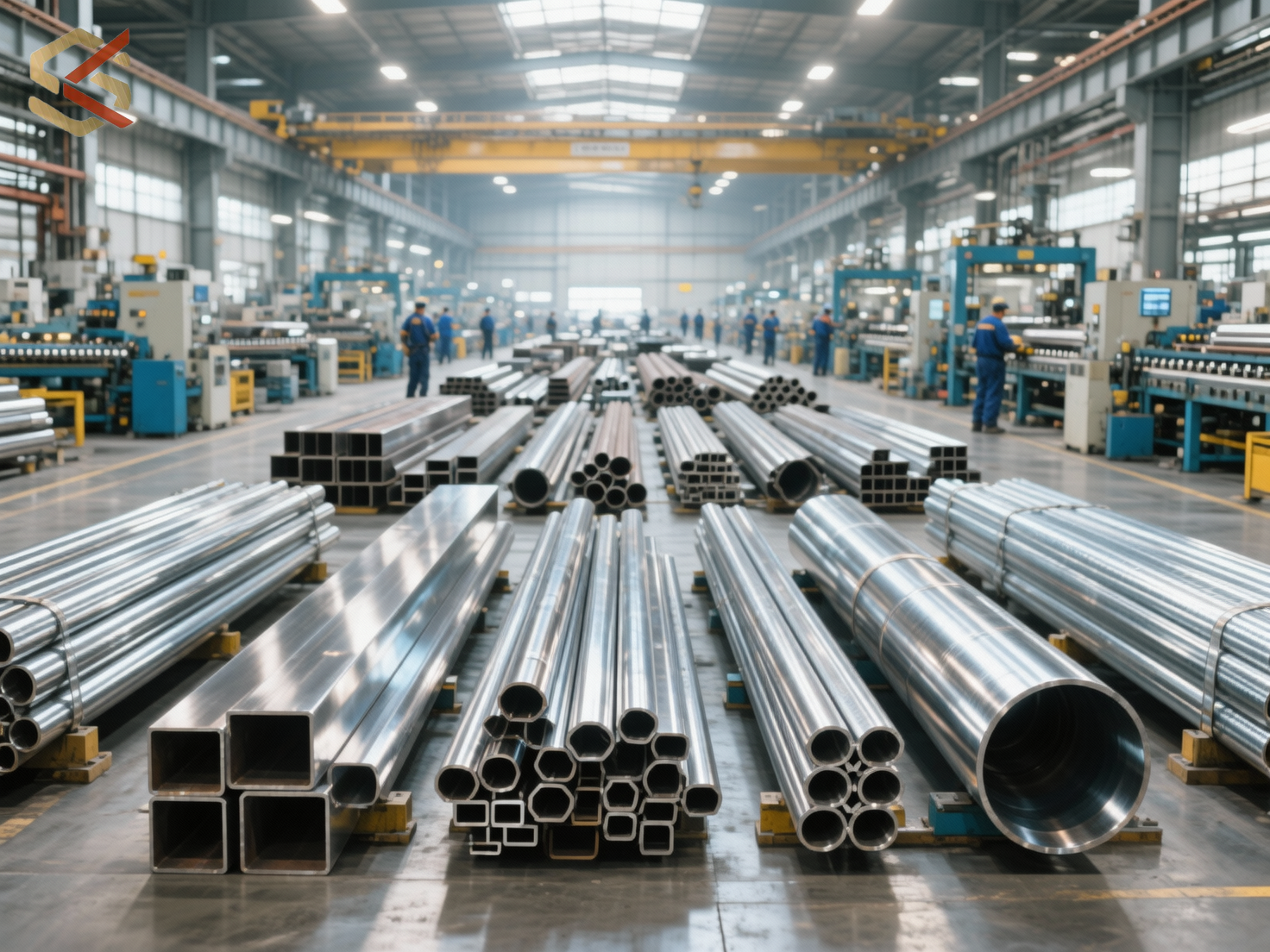
As steel sourcing grows more complex in 2026, global buyers are prioritizing quality, compliance, price stability, and supply chain resilience. Tianjin Kaishuo Weiye Steel Co., Ltd. stands as a premier manufacturer and supplier of a diverse range of steel products, backed by over 20 years of professional expertise, helping importers, distributors, engineers, and project teams secure certified steel solutions for fast-changing international markets.
For procurement teams, technical evaluators, and project managers, the challenge is no longer just finding steel at a workable price. In 2026, sourcing decisions increasingly depend on certification, delivery reliability, processing capability, and supplier responsiveness across multiple markets, from Southeast Asia to Eastern Europe and Africa.
Key Steel Sourcing Trends Shaping 2026
Global steel buyers are moving away from single-factor purchasing. Instead of choosing suppliers based only on per-ton cost, decision-makers now compare 4 core metrics: compliance, lead time, price stability, and downstream processing support. This shift is especially visible in carbon steel, stainless steel, galvanized steel, PPGI, and aluminum-linked supply programs.
Another major trend is regional diversification. Buyers serving infrastructure, fabrication, and manufacturing projects are reducing risk by balancing orders across 2 to 3 supply channels. A supplier with export experience to more than 30 countries can often respond faster to changing customs rules, packing demands, and port scheduling requirements.
Compliance has also become a front-line sourcing issue. Materials aligned with ASTM, JIS, DIN, and GOST standards are increasingly preferred because technical teams need predictable mechanical properties, while quality control staff need traceable inspection documents. ISO9001 and CE-backed operations add another layer of confidence for international buyers.
Tianjin Kaishuo Weiye Steel Co., Ltd. addresses these sourcing realities through integrated production, processing, inspection, and export support. With annual export volume above 50,000 tons and service relationships with more than 2,000 buyers, the company is positioned to support both repeat procurement and project-based orders.
What buyers are prioritizing now
- Stable specification control, including thickness tolerance and coating consistency
- Lead times commonly ranging from 7 to 25 days depending on grade, quantity, and processing
- Export-ready documentation for customs clearance, inspection, and project approval
- One-stop supply for multiple categories to reduce coordination costs
The table below outlines the sourcing priorities most frequently assessed by global B2B buyers in 2026.
The strongest suppliers in 2026 are those that combine certified steel products with practical export execution. That balance is often more valuable than a short-term price gap.
How to Evaluate a Steel Supplier for International Procurement
A reliable steel sourcing strategy starts with a structured review process. Procurement teams should assess at least 5 areas before placing orders: product scope, standards coverage, inspection process, delivery capability, and after-sales support. This is particularly important for project cargo, distribution inventory, and fabrication inputs where delays can affect entire schedules.
For technical evaluators, documentation quality is a key filter. Mill test certificates, dimensional checks, coating data, and packing lists should be consistent and easy to verify. For finance approvers, transaction security and pricing transparency are equally important, especially when dealing with fluctuating raw material markets.
Tianjin Kaishuo Weiye Steel offers a broad product portfolio covering carbon steel, stainless steel, galvanized steel, pre-painted steel, and aluminum products. Its processing plants, quality control measures, and nationwide supply chain give buyers more flexibility when combining mixed-product orders under one sourcing plan.
A practical 5-step supplier review
- Confirm required standard, grade, size range, and quantity per shipment.
- Review certifications, export records, and destination market experience.
- Check inspection procedure, tolerance control, and packaging method.
- Compare lead time, payment terms, and support for custom processing.
- Verify after-sales response time and problem-solving commitment.
The following table helps buyers align internal teams around a more disciplined steel procurement review.
When all 3 groups review the same checkpoints, sourcing becomes faster and more defensible. That is especially useful when evaluating long-term steel supply partnerships rather than one-off purchases.
Reducing Risk Through Service, Quality Control, and Market Adaptability
In 2026, risk control is central to steel sourcing. Buyers are watching for 3 common issues: inconsistent quality between batches, delivery delays caused by market shifts, and weak post-sales coordination. These risks can affect distributors, plant operators, and engineering teams in different ways, but all lead to higher total procurement cost.
A supplier with long-term overseas focus can reduce that exposure. Tianjin Kaishuo Weiye Steel has spent more than 20 years serving international markets across Central Asia, Eastern Europe, Africa, Southeast Asia, and Central and South America. This regional experience matters because packaging, standards preference, and documentation expectations often vary by destination.
The company emphasizes quality-first production, market-based pricing, transaction security, and after-sales support. For buyers facing disputes with unreliable manufacturers, access to professional legal assistance can also be a valuable safeguard during cross-border procurement.
Common sourcing mistakes to avoid
Mistake 1: Comparing only unit price
A lower quote may not include processing, export packing, or document support. A 2% to 4% price difference can be outweighed by rework, delays, or rejected cargo.
Mistake 2: Ignoring supplier adaptability
Fast-changing trade conditions require flexible logistics and coordination. Suppliers with broader supply chain coverage typically respond better to schedule changes and mixed-order requirements.
Mistake 3: Weak post-order communication
Project execution depends on updates at every stage, from production to loading. Buyers should expect clear communication within defined response windows and documented issue handling.
For companies seeking a dependable steel sourcing partner in 2026, the best choice is often a supplier that can combine standards compliance, processing support, export experience, and responsive service under one system. Tianjin Kaishuo Weiye Steel fits this model with certified production, broad product coverage, and a proven international supply network. To reduce procurement risk and improve project execution, contact the team today to discuss specifications, request a tailored quotation, or explore a one-stop steel supply solution for your market.